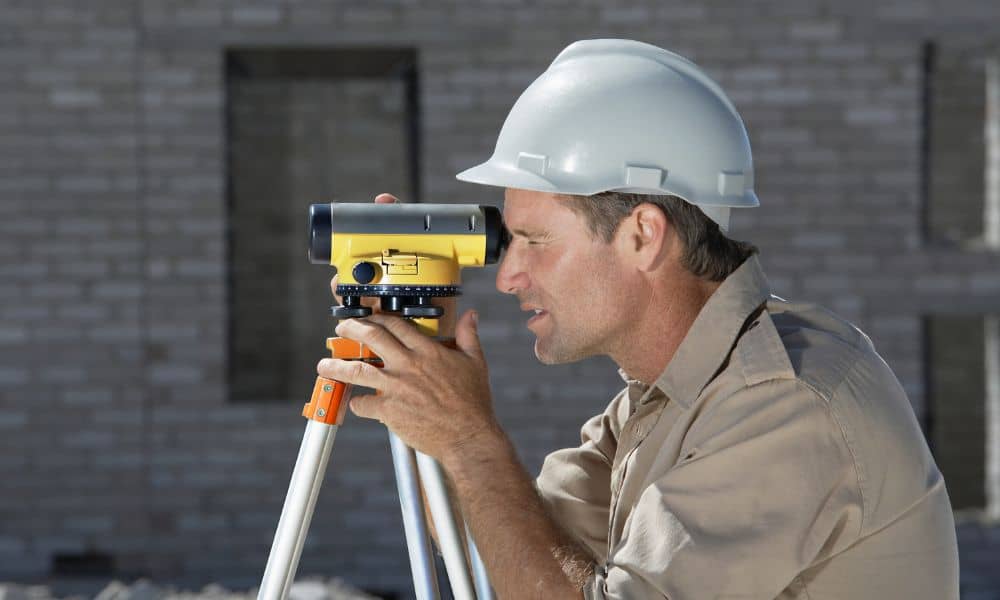
Los Angeles is known for fast growth, busy job sites, and constant building activity. But right now, something different is happening. A new forecast shows that many developers across California are delaying or slowing down their projects. Because of higher costs, supply chain issues, and market uncertainty, more than one-third of commercial projects are now on pause. And this change makes one thing clear right away: a construction survey is more important than ever, especially when work stops and later starts again.
A delay might look harmless from the outside. Yet a pause in construction creates hidden risks that homeowners, investors, and builders do not always expect. Site conditions shift. Soil moves. Rules get updated. Even nearby construction can affect your property lines or grading plans. So when the time comes to pick work back up, you cannot depend on old measurements. You need new, correct site information that matches what is happening right now. This is exactly what a construction survey gives you.
Why Project Delays Create Hidden Risks
Many people think a delay reduces pressure. However, the opposite is true. When a site sits still for weeks or months, changes begin quietly. A hillside lot may settle after rain. A flat lot may shift slightly after vehicles drive across it. A grading plan may no longer match the current surface. And in Los Angeles, where strict zoning and hillside regulations play a huge role, even small changes can lead to bigger problems later.
Developers also deal with constant updates from the city. A zoning rule may change. An inspection requirement may shift. A permit condition may get revised. If your plans rely on outdated data, the project restarts with risk built in. Because of this, many teams now request updated construction surveys before restarting any paused work.
How a Construction Survey Helps When a Project Is On Hold

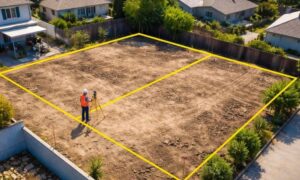
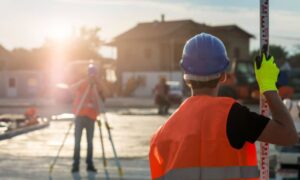
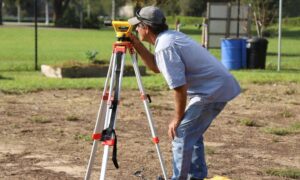
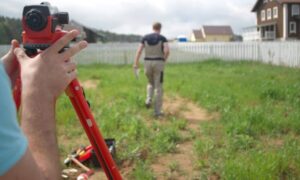
A construction survey protects you from mistakes that become costly once construction begins again. Surveyors return to the site, restake important points, and confirm where everything must go. They check grading levels, foundation markers, utility lines, and boundaries. They also compare the new conditions to the original plans, which helps everyone understand what changed during the delay.
This updated information allows architects, engineers, and contractors to move forward with confidence. They know the measurements are correct. They know the layout still matches city rules. And they know they can build without fear of future rework. In a city as complex as Los Angeles, this level of certainty matters.
The Cost of Skipping a Construction Survey After a Delay
Some owners decide not to update their survey because they want to save money. Yet this choice often backfires. A misplaced foundation can cost thousands to fix. A retaining wall built too close to a property line may need to be removed. A grading plan based on old measurements can lead to drainage problems or failed inspections.
These issues become even more stressful during a pause, when budgets are already tight. A fresh construction survey prevents these mistakes by catching them early and giving you a clear picture before crews return to work. This small step saves time, reduces stress, and protects the entire investment.
Why Construction Surveys Matter More in Today’s LA Market
Because so many projects across the state are on hold, developers and property owners need reliable data to restart smoothly. Construction teams want to avoid spending money on corrections. Investors want proof that the project is still feasible. And inspectors want to see that all work matches the approved plans.
A construction survey supports all of this. It shows the exact state of the site. It confirms that the planned work is still appropriate. It also helps teams make smart adjustments if any part of the original design no longer fits the updated conditions.
Drone mapping and aerial data also play a growing role. These tools give builders a wider view of the site and help surveyors detect changes faster. When combined with a construction survey, this information makes planning easier and prevents surprises.
Turning a Delay Into a Clear Advantage
Even though delays feel frustrating, they can also be useful. Many developers are using this downtime to rethink layouts, adjust budgets, or explore new options such as phased construction or small redesigns. A construction survey gives them the updated information they need to make good decisions.
This moment can be a chance to strengthen your project instead of stalling it. With accurate data, you can catch problems before they grow, refine your plans, and move forward without fear of errors that set you back again.
Final Thoughts:
Los Angeles is a challenging place to build, and today’s market makes it even more important to rely on precise information. A construction survey gives you that clarity. It keeps your project aligned with current site conditions, updated rules, and real-time changes that happen during delays.
If your project has slowed down or will restart soon, now is the time to schedule a construction survey. It is the smartest step you can take to protect your budget, avoid mistakes, and move forward with confidence—even when the rest of the city feels uncertain.