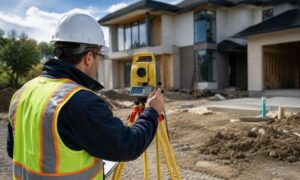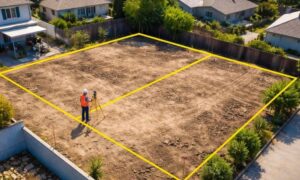
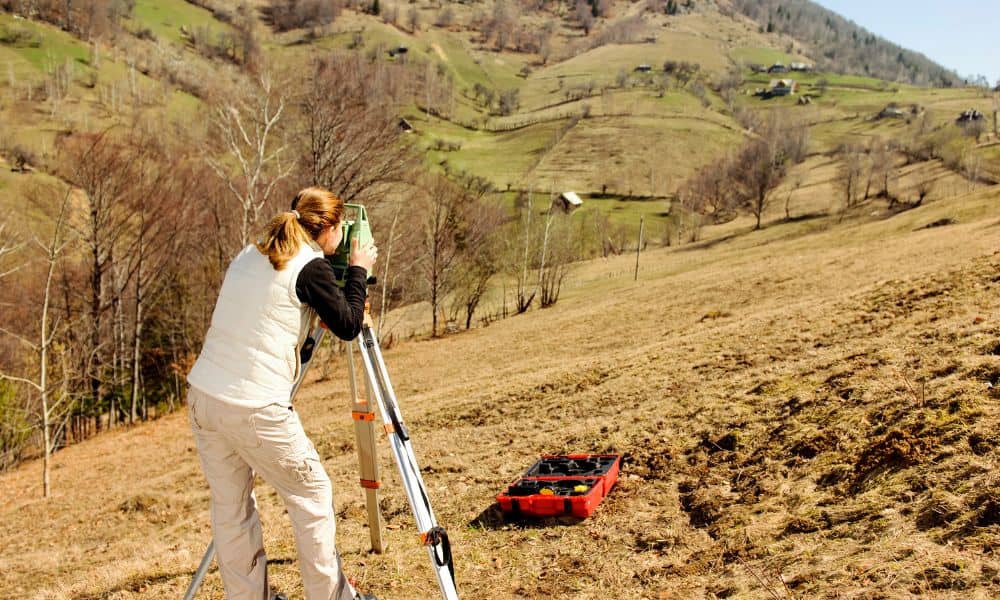
Los Angeles sits on beautiful hills, dramatic canyons, and scenic coastal bluffs. However, that beauty comes with movement. The ground in Southern California does not stay perfectly still. Storms, soil conditions, erosion, and even slow hillside creep all shift the land over time. Because of that, a modern topographic survey in 2026 must do more than simply map contours. It must reflect how the land is changing.
If you plan to build, remodel, buy, or sell property, this matters more than ever.
The Ground Is Always Moving — Even When You Can’t See It
Many people think of landslides as sudden disasters. Yet most ground movement happens slowly. Hillsides shift inches each year. Soil settles after heavy rain. Coastal bluffs erode little by little. At first, you may not notice anything. Still, small elevation changes can affect foundations, drainage, and slope stability.
For example, you might see cracks in a driveway. Water may start pooling near a wall. A retaining wall could lean slightly. These signs often connect to subtle grade changes. Therefore, elevation data from several years ago may no longer tell the full story.
In a place like Los Angeles, elevation is not permanent. It evolves.
Why Elevation Accuracy Matters in 2026
A topographic survey shows elevation, slopes, and surface features. Engineers rely on that data for grading plans, drainage design, and foundation layout. Builders use it to calculate cut and fill. Architects depend on it to place structures correctly.
However, if the ground shifts after the last survey, those plans may sit on outdated information.
Even a small change in slope can redirect water flow. As a result, runoff might head toward a structure instead of away from it. Over time, that creates moisture problems, erosion, and structural stress.
Moreover, hillside neighborhoods across Los Angeles continue to experience soil movement after major storm seasons. Because of that, updated elevation data has become part of responsible planning, not just a formality.
The Risk of Using Old Topographic Data
Many property owners reuse surveys from three to five years ago. At first glance, that seems practical. Yet in dynamic terrain, it can create risk.
Imagine a developer designing a retaining wall based on past slope data. Since then, soil has shifted slightly downhill. The wall design may no longer match real conditions. That mismatch increases pressure and long-term failure risk.
Similarly, a homeowner planning an addition might rely on a previous survey. However, if grade lines have changed, drainage patterns may no longer work as expected. Water might collect near the foundation, leading to expensive repairs.
In stable regions, old data may work fine. In Los Angeles hillsides and coastal zones, it may not.
Storms and Climate Patterns Add More Uncertainty
Los Angeles has seen stronger storm cycles in recent years. Heavy rainfall saturates soil. When soil absorbs water, it becomes heavier and less stable. Consequently, slopes creep or settle.
After intense rain seasons, subtle vertical changes can occur across properties. These changes may not look dramatic. Still, they influence grading, drainage, and structural loads.
Therefore, a topographic survey completed before major storm activity may not fully reflect post-storm terrain.
If you own property in a canyon, near a bluff, or on a hillside, updated elevation data provides peace of mind.
Modern Topographic Surveys Must Adapt
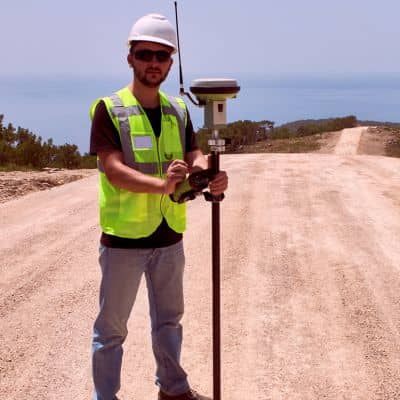
Surveying technology has improved significantly. Today, professionals combine precise ground measurements with drone-based elevation modeling. This approach captures surface detail with high accuracy. Additionally, surveyors verify vertical benchmarks to ensure current data matches real-world conditions.
In 2026, a responsible topographic survey should:
- Capture high-resolution elevation data
- Confirm current ground control points
- Detect subtle slope deformation
- Identify changes in drainage flow
- Reflect recent storm impacts
Instead of assuming the land remains unchanged, modern surveying recognizes that terrain evolves.
That shift in mindset protects property owners and builders.
Who Should Pay Close Attention?
Ground movement does not affect every lot equally. However, certain property owners face higher risk.
Hillside homeowners often see gradual soil creep. Even slight changes can affect retaining walls and driveways.
Coastal property owners deal with erosion and bluff retreat. Over time, those forces alter slope lines.
Buyers conducting due diligence should confirm that elevation data reflects current conditions, especially for high-value properties.
Developers planning grading work need accurate cut-and-fill calculations. Otherwise, project costs can rise quickly.
If you notice cracks, leaning walls, or shifting pavement, updated elevation data becomes even more important.
Insurance and Property Value Considerations
Ground movement also affects resale and insurance. Structural damage tied to soil movement can complicate claims. Additionally, California real estate transactions often require disclosure of known issues.
If drainage or grading problems arise later, buyers may question whether accurate site data existed at the time of sale. An updated topographic survey provides documented evidence of site conditions.
Furthermore, lenders and investors prefer clear, current data when evaluating hillside or coastal properties. Accurate elevation information reduces uncertainty. In turn, that can protect long-term property value.
When Should You Update a Topographic Survey?
You do not need a new survey every year. Still, certain situations call for fresh data.
Consider updating your topographic survey:
- After major storm seasons
- Before installing large retaining walls
- Prior to significant grading or excavation
- Before refinancing or selling hillside property
- If visible settlement appears
Proactive measurement costs far less than structural repair.
Looking Ahead: Elevation Is a Moving Target
Los Angeles offers incredible landscapes. Yet those landscapes continue to shift. Science and field observations confirm measurable land movement across parts of Southern California. Because of that reality, elevation data cannot remain static.
In 2026, a topographic survey should reflect more than contours on paper. It should represent current ground conditions and account for the region’s natural movement.
If you plan to build, invest, or protect your property, updated elevation data strengthens your decisions. After all, the ground beneath your project shapes everything above it.
In Los Angeles, smart planning begins with accurate terrain information — and that starts with a modern, movement-aware topographic survey.