
LiDAR mapping used to be something only engineers and survey teams talked about. Today, that’s changing fast. Across California, LiDAR mapping is showing up in planning reports, environmental studies, and early property reviews. As a result, property owners are starting to hear the term more often, even if they’ve never ordered a survey before.
So what’s driving this shift? More importantly, what does it mean for someone who owns, plans to buy, or wants to build on property?
Why LiDAR Mapping Is Suddenly Everywhere in California
California is putting more focus on land risk. Wildfires, flooding, hillside instability, and aging infrastructure all depend on one thing: understanding the ground. Because of that, agencies and consultants are leaning on LiDAR mapping to study terrain faster and in greater detail.
As this data becomes easier to access, it no longer stays behind the scenes. Instead, it starts influencing real decisions. In Los Angeles, that can affect how a property is reviewed long before construction begins. In some cases, it even shapes early conversations with planners, designers, or insurers.
In short, LiDAR mapping has moved from a specialist tool to a common reference point.
What “Mainstream” Really Means for LA Property Owners
When people hear that LiDAR mapping is mainstream, they often think it replaces other steps. That’s not what’s happening. Instead, it means terrain and elevation data now enter the conversation much earlier.
For example, a buyer may see a terrain model during due diligence. A designer might reference elevation data before a site visit. A city reviewer could flag drainage concerns based on surface data alone.
Because of this, property owners sometimes face questions about slope, runoff, or elevation before they expect them. That can feel confusing, especially when the data looks highly detailed and official.
Properties in Los Angeles Where LiDAR Mapping Matters Most
Not every lot feels the impact the same way. However, some properties are more likely to be affected.
Hillside and canyon properties are at the top of the list. Small changes in slope can affect driveway design, drainage paths, and retaining walls. Likewise, sloped residential lots often raise questions about runoff and grading.
Redevelopment sites also see more attention. Older properties may not have clear elevation records, so LiDAR mapping fills early gaps. Larger residential parcels fall into this group as well, especially when access roads or utilities depend on terrain.
In all these cases, LiDAR mapping helps people spot potential issues earlier than before.
What LiDAR Mapping Can Reveal That Flat Maps Can’t
Traditional maps show outlines. LiDAR mapping shows shape.
Because it captures elevation, LiDAR mapping can reveal subtle grade changes that are easy to miss during a walk-through. For example, it can show how water naturally flows across a site or where a slope steepens just enough to cause future problems.
This becomes especially helpful, where lots often sit on uneven ground. Two properties on the same street can behave very differently during heavy rain. LiDAR mapping helps explain why.
That said, it works best as an early awareness tool. It highlights where questions exist. It does not answer everything on its own.
Why LiDAR Mapping Can Still Create Confusion
Here’s where many property owners get stuck.
LiDAR mapping looks precise. However, not all LiDAR data serves the same purpose. Some datasets support regional planning. Others help with environmental studies. Few are meant for final design decisions on a single residential lot.
Resolution matters. Data age matters. Surface conditions matter. Trees, buildings, and ground changes can all affect how the information reads.
As a result, two LiDAR sources can show slightly different elevations for the same area. Without context, that can cause stress or false assumptions.
This is why LiDAR mapping should guide questions, not settle them.
How LiDAR Mapping Fits Into Real Property Planning

Used the right way, LiDAR mapping saves time and money. It helps owners and professionals identify risks early, before designs lock in.
For instance, an early terrain model can reveal whether grading costs may rise. It can also help designers understand drainage patterns before drawing plans. In larger sites, it reduces guesswork during the first planning phase.
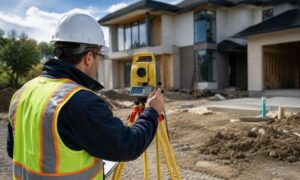
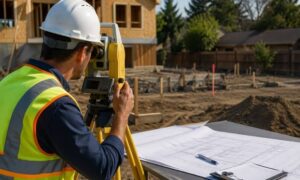
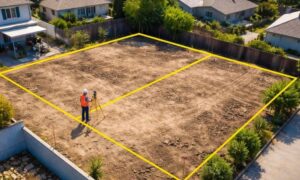
Still, field verification remains essential. LiDAR mapping sets the stage. Survey work confirms what actually exists on the ground and ties it to real control.
Together, they form a smarter workflow.
When LiDAR Mapping Is No Longer Enough
There comes a point when surface data alone cannot support decisions.
If you plan to build, add onto a structure, or submit plans for approval, verified elevations become critical. The same applies when drainage, access, or grading affects neighbors or public systems.
Conflicting information is another warning sign. If one source shows one slope and another shows something else, it’s time to stop guessing.
At that stage, relying only on LiDAR mapping creates risk rather than clarity.
Smart Questions to Ask Before Trusting LiDAR Mapping
Before you base decisions on LiDAR mapping, pause and ask a few simple questions.
How old is the data? What was it collected for? Does it reflect current site conditions? Is it meant for planning or design?
Most importantly, ask who stands behind the accuracy. If the answer is unclear, treat the information as a starting point, not a conclusion.
Final Thoughts:
LiDAR mapping is no longer a niche topic in California. It shapes how land gets reviewed, discussed, and sometimes judged. In Los Angeles, that shift affects homeowners, buyers, and developers alike.
The key is balance. LiDAR mapping offers powerful insight, especially early on. Yet smart property owners know when to verify and when to dig deeper.
By understanding how LiDAR mapping fits into the process, you protect your investment, avoid surprises, and move forward with confidence instead of guesswork.