Your contractor just finished a project. Now they are asking about an as-built survey. What is it? Why do you need one? And what happens if you skip it?
We’ll explain the differences clearly so you know which survey you may need for your property.
What Is an As-Built Survey?
An as-built survey is a document made by a licensed land surveyor after construction is done. It shows exactly what was built, where it sits on the lot, and how tall it is. It is used to close permits and create a permanent record of the finished project.
Think of it this way. Your contractor had a plan before building. But things change during construction. A wall gets moved. A pipe ends up in a different spot. The final result is rarely a perfect copy of the original drawings.
An as-built survey records what is actually there after the work is done. It is not a design document. It is a real-world record.
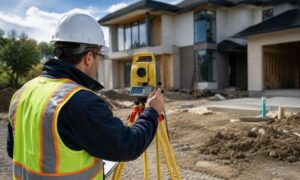
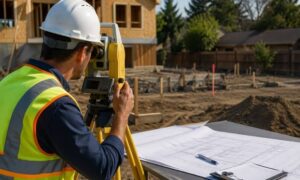
A licensed land surveyor visits the site. They measure everything carefully. Then they produce a certified drawing that shows:
- Where the building sits on the lot
- How far the building is from the property lines and the street
- The height of the finished floor
- Where the water pipes, gas lines, and electrical lines were placed
- Any walls, driveways, or drainage features that were added
- Any differences between the approved plans and the finished build
In Los Angeles, this document became part of the official building record. The Los Angeles Department of Building and Safety, known as LADBS, often requires it before a final inspection can be approved.
How Is It Different From Other Surveys?
An as-built survey is not a boundary survey or a topographic survey. Each type does a different job. An as-built survey focuses on one thing: confirming the finished project was built correctly and in the right place.
Here is a simple breakdown:
| Survey Type | What It Does | When It Is Done |
| As-Built Survey | Records what was actually built | After construction |
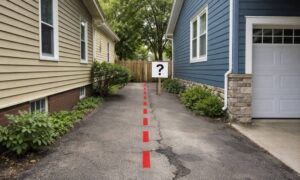
| Boundary Survey | Shows legal property lines | Before or during a project |
| Topographic Survey | Maps ground elevations | Before design or grading |
| Construction Survey | Guides where things get placed | During construction |
An as-built survey is the last step. It confirms everything is in order before the project is officially closed out.
When Does Your Contractor Need One?
Your contractor needs an as-built survey to close a building permit, get a certificate of occupancy, meet lender requirements, or record changes that happened during the build. In Los Angeles, it is also required for projects on hillsides and in flood zones.
Here are the most common situations:
To Close a Building Permit
LADBS inspectors may ask for as-built drawings before they approve the final permit sign-off. If anything changed during construction, the as-built survey documents those changes. Without it, the permit can stay open for months.
To Get a Certificate of Occupancy
A certificate of occupancy is the document that allows a building to be legally used. Los Angeles requires proof that the finished structure matches what was approved. An as-built survey provides that proof.
To Satisfy the Lender
Banks that fund construction loans often require an as-built survey before releasing the final payment. They want to confirm the building was actually constructed the way the loan described. Title companies also use these surveys before they issue insurance on the property.
To Record Changes Made During the Build
Construction almost never follows the original drawings exactly. When a contractor makes a change on the job site, it has to be written down somewhere. An as-built survey makes that official before it turns into a problem later.
What Does It Include?
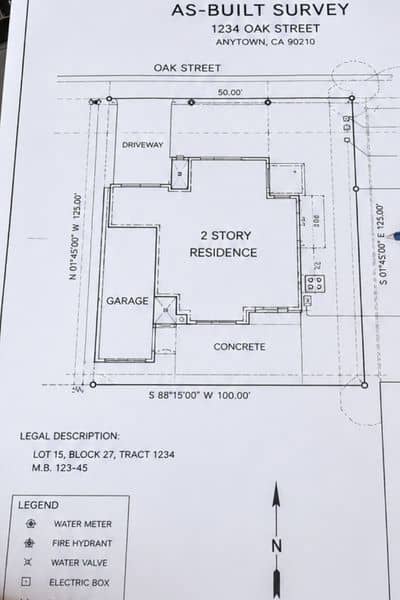
An as-built survey includes a certified site plan showing the exact position of all structures, distances from property lines, finished elevations, utility placements, and a record of any differences from the original approved plans.
A complete as-built survey package typically includes:
- A certified site plan with the surveyor’s stamp and signature
- Building measurements and distances to all property lines
- Floor and pad elevation numbers
- Utility locations as they were actually installed
- A written record of any changes from the original approved drawings
California law requires a licensed land surveyor to sign and stamp the final document. This is what makes it legally valid for permit and lender purposes.
How Much Does It Cost?
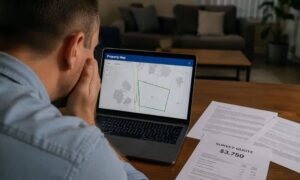
As-built surveys typically cost between $1,500 and $6,000. Smaller projects cost less. Larger or more complex builds cost more, especially if the property is in a flood zone.
| Project Type | Typical Cost Range |
| Small residential addition | $1,500 to $2,500 |
| Single-family new build | $2,500 to $4,500 |
| Multi-unit residential | $4,000 to $7,500+ |
| Commercial project | $3,000 to $6,000+ |
The final price depends on the size of the property, how complex the project is, and how fast you need the results.
Mistakes to Avoid
- Waiting too long. Once LADBS flags your permit, delays pile up. Order the survey as soon as construction is finished.
- Sending in design drawings. Plan checkers can spot the difference. A design drawing is not a certified as-built. It will be rejected.
- Skipping small changes. Even a minor field change needs to be on record. Small things now can become big disputes later.
- Hiring someone without a license. Only a licensed land surveyor can certify this document. Check their license at bpelsg.ca.gov before you hire.
Frequently Asked Questions
Does every project need an as-built survey?
Not every project. But new construction, major additions, grading work, and any build that must match approved plans will need one.
How long does the process take?
Field work usually takes one day. The certified drawing is ready within three to seven business days after that.
What if I skip the survey?
Your permit may stay open. Your lender may hold back money. Your title company may not issue clean insurance. Any of these can stop a sale or block a future permit.
Can my architect do the survey instead?
An architect can record interior changes. But for site work, including where the building sits, how far it is from the property line, and its elevation, California law requires a licensed land surveyor.