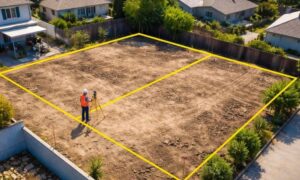
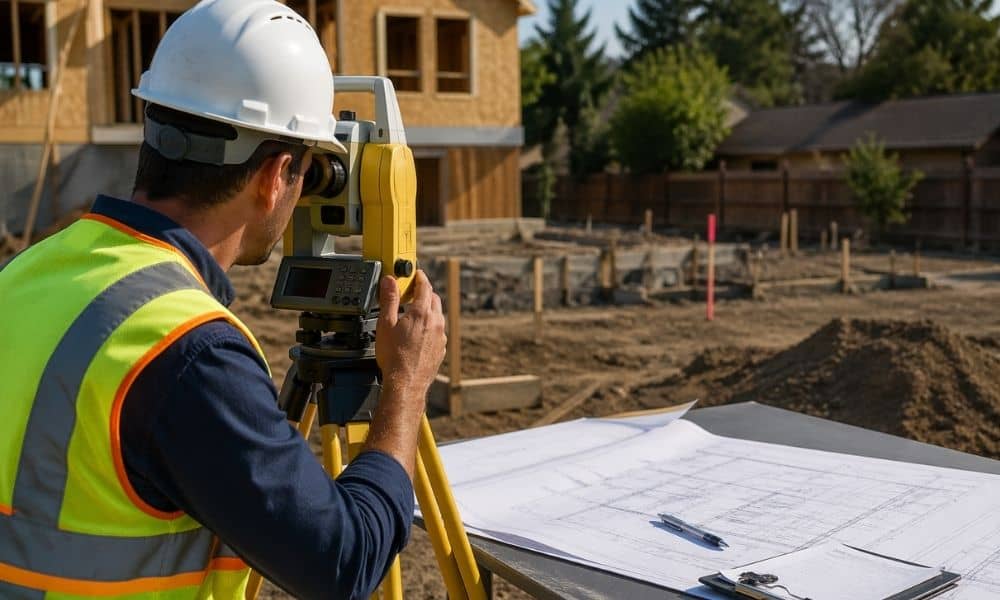
If you’re planning to build in Los Angeles, the process just shifted. Cities across California are starting to ask for clearer plans much earlier in the permit stage. That change comes from updates tied to SB 1014, and it affects how projects move from idea to approval.
Most people still think of permits as paperwork. You submit drawings, wait, then fix whatever the city points out. That used to work. Now, plans need to match real site conditions right from the start. Because of that, it’s getting harder to guess your way through the early stages. Figuring out when a construction survey is needed becomes part of getting those plans right the first time, instead of fixing them later.
Permits Now Expect More Upfront Accuracy
Cities are starting to spell out project requirements much earlier. That includes how a structure sits on the lot, what happens near the street, and how everything lines up before work begins. So instead of catching issues later, those checks are happening right at the start.
That shift puts more weight on the plans you submit. If your drawings don’t match what’s actually on the site, the city will spot it right away. There’s less room to go back and fix things after. Because of that, more people are getting a construction survey before submitting plans just to make sure everything lines up before the review even begins.
In Los Angeles, this matters even more. Many lots are tight. Some sit on slopes, while others already have structures that limit what can be done. Small mistakes don’t stay small for long. When everything gets checked early, those issues show up fast.
Why This Changes When You Need a Construction Survey
In the past, a construction survey often came later. It helped contractors lay out the project once the permit was approved. The focus was on building, not planning.
That timing no longer works for many projects.
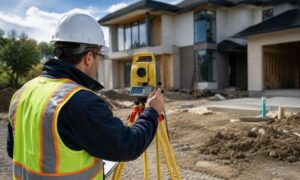
Now, a construction survey often needs to happen before you submit plans. It helps confirm what is really on the ground so your design lines up with it. Without that step, your plans rely on guesses or old data. That gap shows up during review.
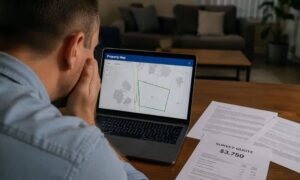
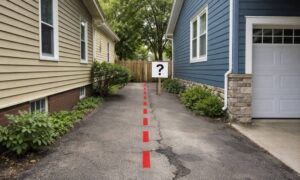
Think about a simple case. A plan shows a structure placed a few feet from a property line. On paper, it looks fine. On the actual site, the line may sit in a slightly different spot. That small shift can push the structure too close to the edge. The city flags it, and now the plans need to change.
A construction survey catches that before submission. You work with real numbers, not assumptions.
What a Construction Survey Checks Early
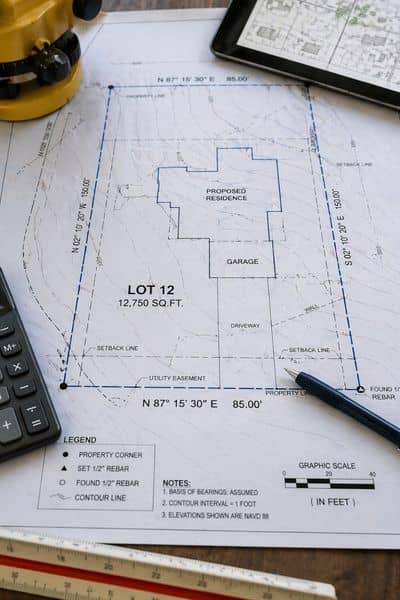
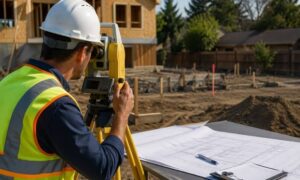
At this stage, the survey is not just about staking points on the ground. It is about verifying the site before decisions lock in.
It looks at:
- Where the boundaries actually sit
- How the ground slopes or changes in elevation
- Where existing features are located
- How planned improvements fit within those limits
That information feeds into your plans. It keeps the design grounded in reality.
How This Plays Out on Real Los Angeles Projects
This shift is easy to see on local projects.
Take a narrow lot in a dense area. Every inch matters. A wall, driveway, or extension has to sit in the right place. A slight misread of the lot can push a feature into a setback zone. That triggers changes before approval.
Now think about a hillside site. Elevation drives everything there. Grading, drainage, and structure height all depend on accurate ground data. If the plans assume the wrong slope, the city catches it early. Fixing that later takes time and money.
Even small additions run into this. A room extension that ties into an existing structure must align with what is already built. If the plan misses that alignment, the review process stops it.
In each case, the pattern is the same. Early accuracy saves the project from getting stuck.
What Happens When You Skip That Early Step
Skipping early site verification creates a gap between the plans and the actual property. That gap shows up fast under the new review style.
Plans may look clean on paper, but they fail once checked against the site. You then go back, adjust layouts, and resubmit. That loop slows everything down, even if the rules aim to speed things up.
The problem is not the permit system. The problem is timing. When the construction survey comes too late, the plans are already locked in.
What Builders and Property Owners Should Do Now
The approach needs to shift with the rules.
Start by treating site data as part of planning, not a step after approval. Get clear measurements before finalizing drawings. Make sure the design team works from verified information.
Communication also matters. The surveyor, designer, and contractor should stay aligned early. When each person works from the same data, the plans stay consistent.
This does not add extra work. It moves the work to a better point in the process.
Where a Licensed Surveyor Fits In
A licensed surveyor helps confirm what the property can support before the plans go in. That includes checking boundaries, elevations, and layout positions.
They also help translate field data into something the design team can use. That keeps everyone on the same page from the start.
In Los Angeles, that early coordination makes a real difference. The city review process moves faster when the plans match the site. Fewer corrections mean fewer stops along the way.
Why This Shift Matters Going Forward
California is trying to reduce delays by asking for clearer information earlier. That goal sounds simple, but it changes how projects need to be prepared.
The construction survey moves closer to the front of the timeline. It becomes part of planning, not just execution.
Projects that adapt to this shift move through review with fewer surprises. Projects that don’t tend to circle back and fix issues that could have been caught early.
In a place like Los Angeles, where space is tight and rules are strict, early accuracy is no longer optional. It is part of getting a project approved without friction.